Current headlines are fixated on the hype surrounding AI’s potential to transform business. Most experts believe the technology can dramatically enhance telecom operations, and many companies are already leveraging it to improve back-of-house operational efficiency. However, a singular focus on cost savings often overlooks the power of AI for customer engagement.
Researching the AI-Ready Customer
To understand the evolving landscape, SLD recently conducted consumer research on AI use in banking. This study identified a novel customer segment: individuals who are comfortable letting algorithms handle heavy lifting but still demand that brands remain human, local, and emotionally intelligent.
Platforms like ChatGPT and Perplexity are already influencing how investors choose wealth partners, and a similar trajectory is expected for telcos aiming to build long-term loyalty. Much like banking, telecom offerings often consist of complex bundled services. When customers face confusion over which package fits their needs, it leads to buying anxiety. Many are turning to LLM platforms to help them find their way.
The Rise of the AI-Guided Consumer
This new generation of consumers uses AI to test scenarios and pressure-test decisions before they ever walk into a store. They often arrive at meetings knowing exactly what they want. However, they still seek the comfort of a human advisor’s perspective, reinforcing the critical role of sales choreography and staff training.
This segment rewards organizations that:
- Minimize anxiety and simplify decision-making.
- Respect their intelligence.
- Avoid jargon, obscure pricing, or standardized “cookie-cutter” experiences.
In the telecom sector, customers are increasingly treating AI as a trusted advisor for navigating plans and providers. Our recent analysis reveals a striking shift: 64% of consumers now turn to AI for financial guidance, with 56% trusting these systems for honest investment advice. This mindset has now migrated to telecom. As long as the experience is transparent and aligned with their principles, customers gladly allow AI to forecast usage, suggest packages, and anticipate problems.
Emotional Design is the Connection Between AI and a Sense of Belonging
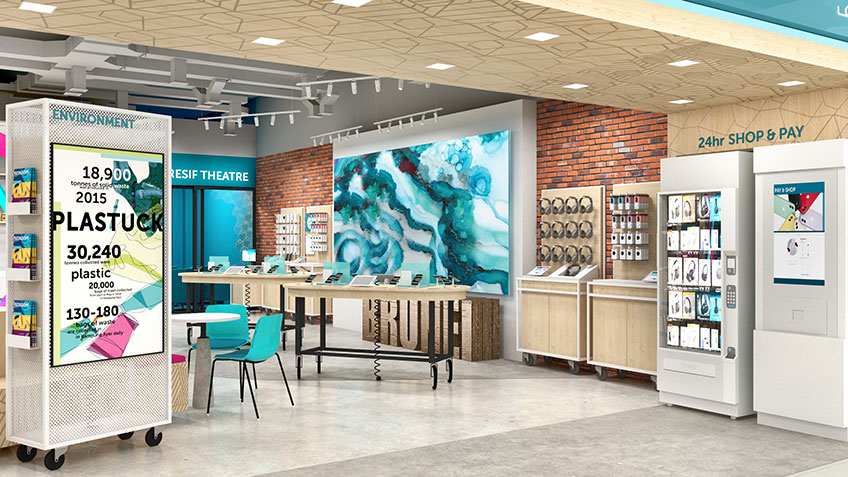
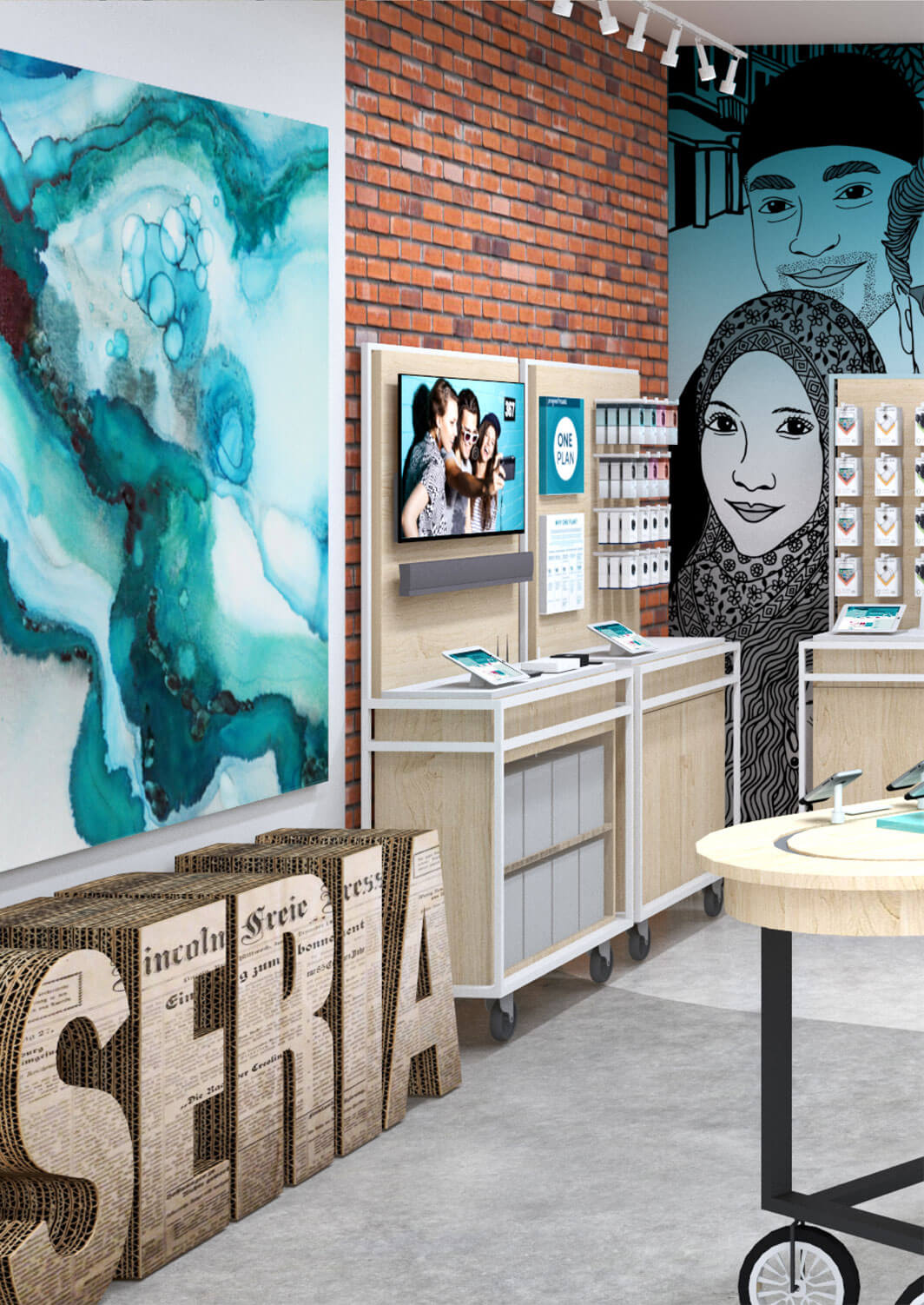
A prime example of this in the telecom sector is the collaboration between SLD and MapleWave for the Progresif Experience Store in Brunei. As a brand rooted in education, entrepreneurship, and the arts, Progresif required a flagship that functioned as a community centre rather than just a sales point. The design utilizes local natural materials and vibrant aesthetics, paired with interactive digital signage to encourage exploration.
To the AI-ready customer, this environment signals that the telco views them as a community member rather than an account number. When digital tools in that space provide personalized advice, they are viewed through a prism of trust rather than suspicion.
Image Source: SLD
Omni-channel Experiences that are United by a Community
Loyalty peaks when the emotional narrative, design signals, and advisory style are consistent across digital and physical channels, particularly when customers experience experimentation with AI.
The model applied to Progresif and many other telco projects indicates the way companies can generate the same continuity:
- The same community-first narrative as the flagship store should be taken to the digital channels (app and web), but with a focus on local efforts, educational content, and cultural relevance, as well as the offers provided by AI.
- Physical manifestations of the online relationship (in-store experiences) must be experiences of exploration, rather than buying, through interactive displays, educative materials, and aspirationally delivered designs.
- AI must manage what customers observe from digital signage, valuable events or educational programs being promoted, the signing, decor and message reinforcing the emotional benefits of technology, or staff must understand the different customer personas and their needs so that every interaction is experienced to be personally relevant and rooted in a community story.
This is where the AI persona will flourish: they are presented with a brand that simplifies and enhances their world, without eliminating the human and local context they value. Our study, noted 81% of respondents say good advice significantly increases loyalty. And another 31% indicated the physical experience of the store drove them to purchase investment products.
Image Source: SLD
Combining The Three: App, Web, and Store
By applying these principles, telcos can develop a single journey across three main pillars:
App: AI presents an opportunity to provide customized functions on the home page that capture the core feeling of the brand (e.g., “You’re on track; here’s how to save more without breaking your habits” by a brand focused on confidence), and makes language friendly, human and answers an emotional need.
Web: Future buyers encounter plan finders, comparison tools, and stories which replicate the in-store experience, with the same emotional appeals, colors, and hierarchy, as the physical environment. Brands need to assess their customer experience through the lens of AI web searches.
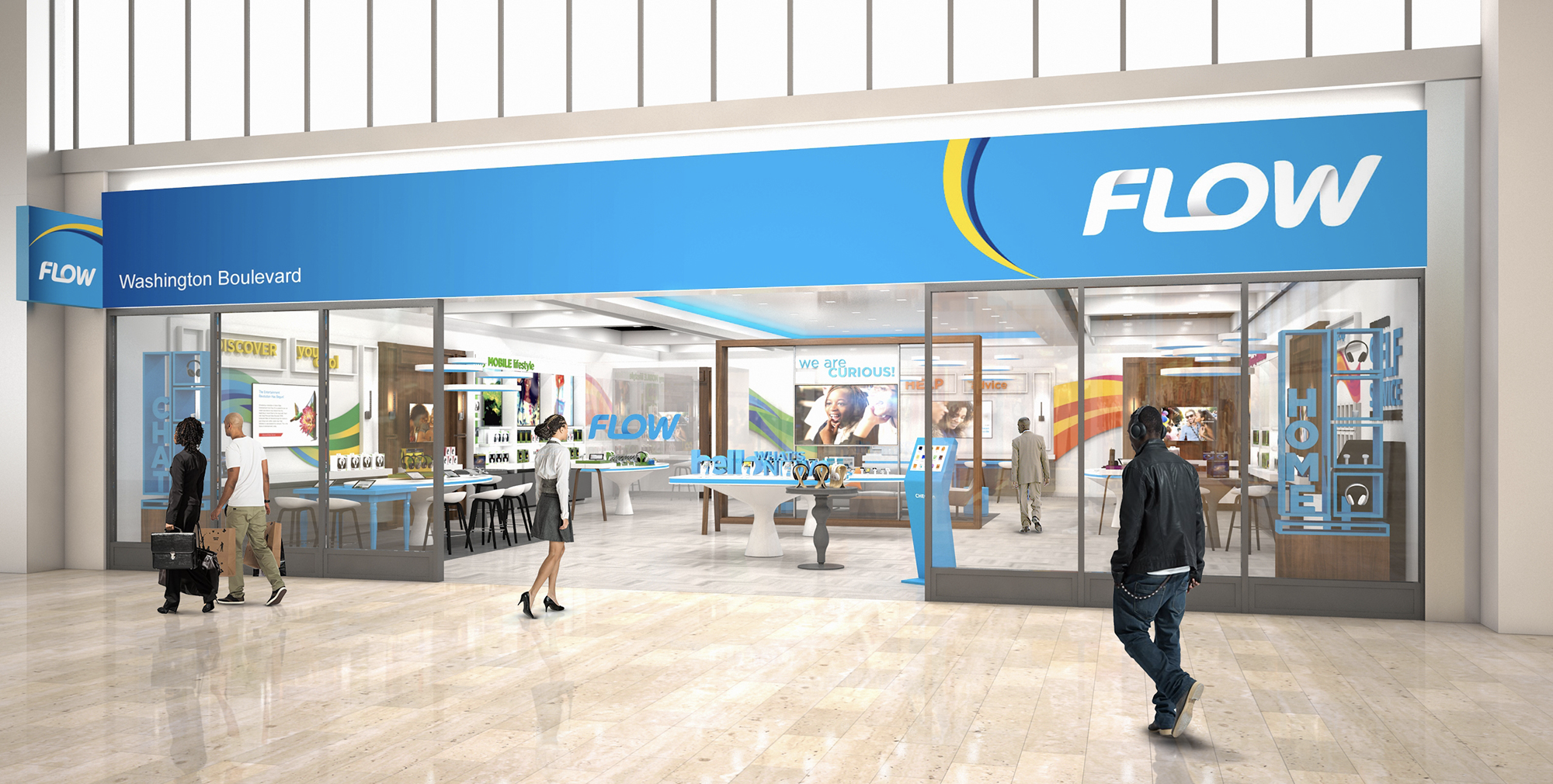
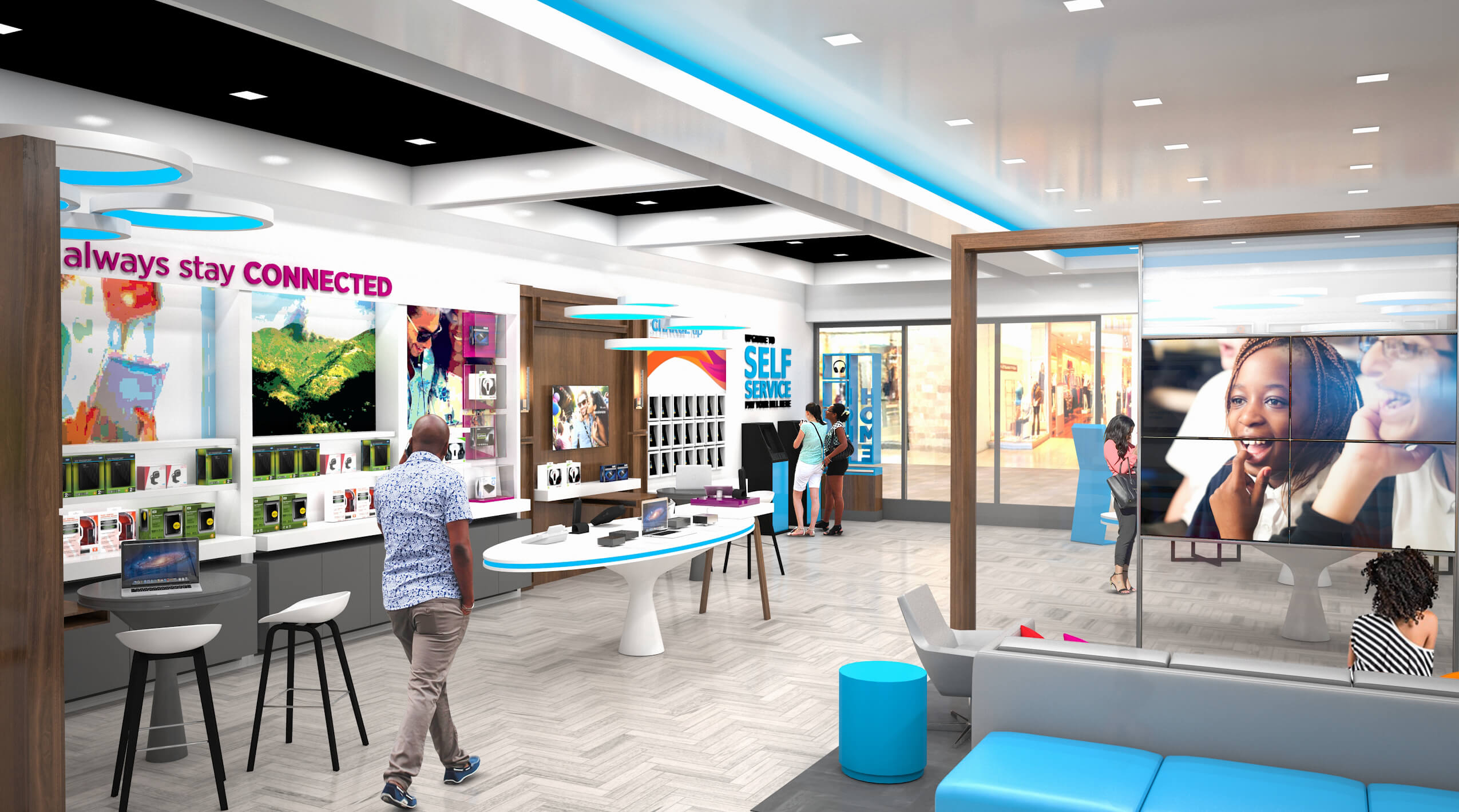
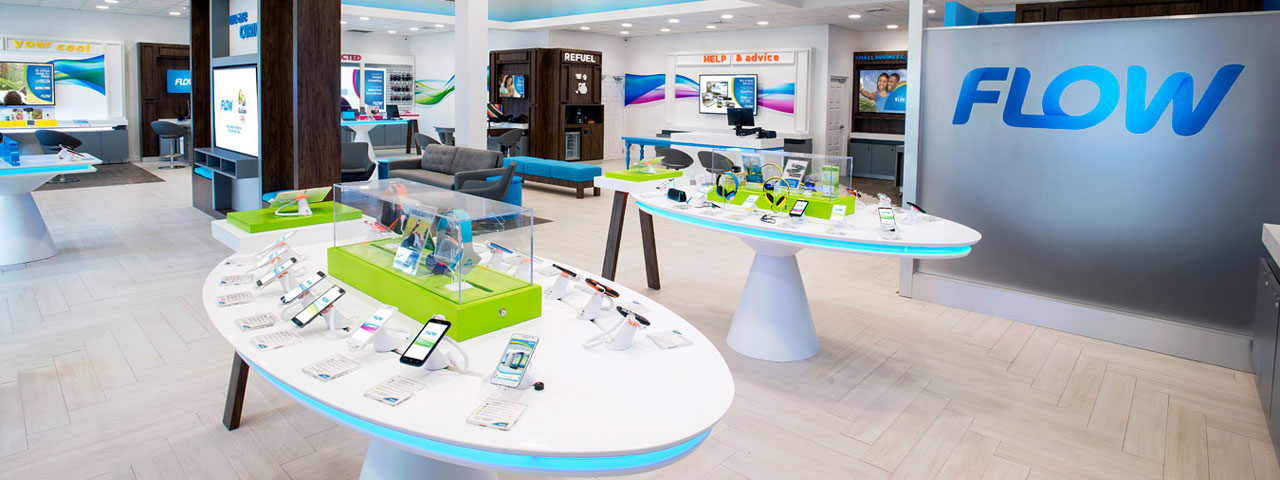
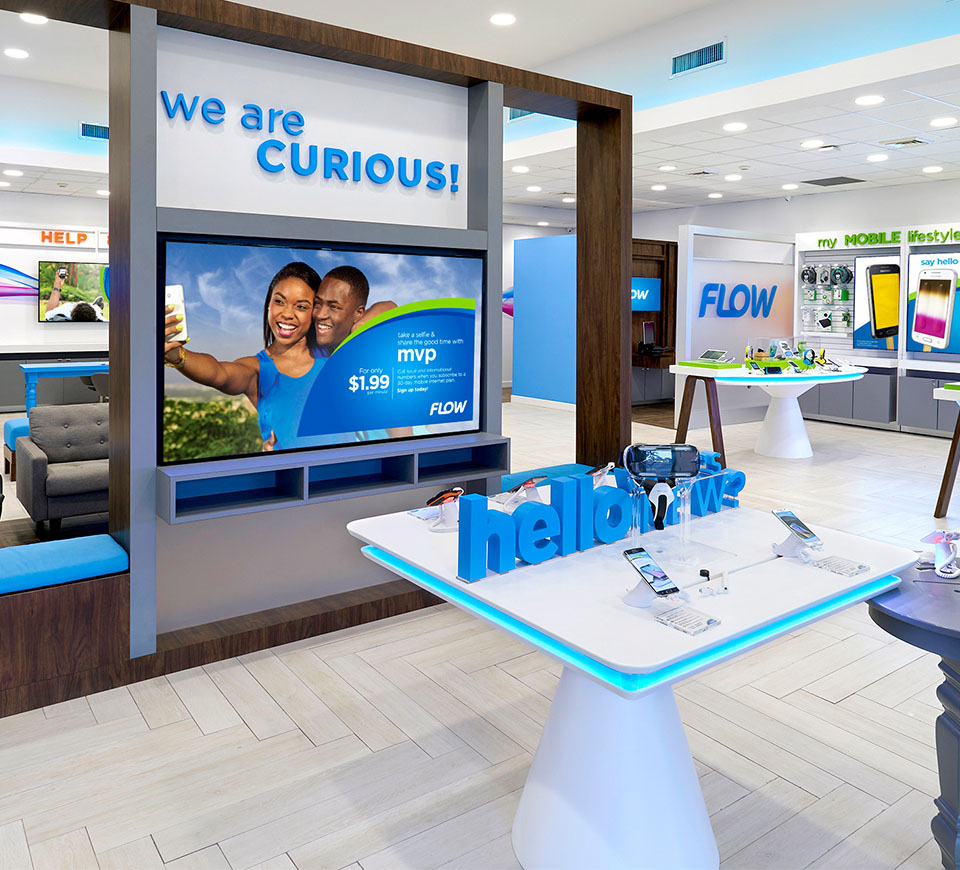
Store: Based on experience with Flow, a Caribbean telco, and other SLD telco projects, the store should be divided into quick-solve, explore, and advisory zones, with digital tools and AI-driven tablets guiding the discussion at the speed and depth the client desires.
Through these channels, the new era of telcos will succeed only when AI-mediated personalization is embedded in an emotionally accurate design and measured against what truly matters: the trust and connection customers feel toward the brand.